Prairieville Animal Hospital Vet Clinic: Routine Exams and Wellness
Routine exams form the backbone of preventive veterinary care. At Prairieville Animal Hospital, the philosophy is simple: catch problems early, keep pets comfortable, and empower owners with clear, actionable guidance. The clinic’s approach blends old-fashioned hands-on care with a practical, no-nonsense understanding of how pets live day to day. The goal is not simply to treat illness but to minimize the chances of it arising in the first place. Over years of work with dogs, cats, and the occasional pocket pet, I’ve learned that regular wellness visits pay off in tangible ways: longer, healthier lives for patients and fewer stressful emergencies for families.
If you’re considering how to structure a wellness plan, picture it as a map that grows with your pet. Puppies and kittens begin with a closer cadence of visits, while adult and senior animals settle into a rhythm that keeps routine care predictable and affordable. The team at Prairieville Animal Hospital is ready to tailor every aspect of that plan to your pet’s unique needs, lifestyle, and medical history. They understand that every household has competing priorities, from work schedules to travel, and they work to make preventive care both convenient and meaningful.
The value of routine exams is not primarily about catching things you can’t see. It’s about building a baseline for health and using that baseline to guide decisions. When a veterinarian sees a patient regularly, subtle shifts in behavior, appetite, or energy become data points rather than anomalies. Those data points help differentiate a transient issue from something requiring more attention. A well-executed wellness program also means fewer surprises at the end of the year, fewer urgent calls in the middle of the night, and a clearer sense of an animal’s overall trajectory.

A well-run wellness visit at Prairieville Animal Hospital often starts with listening. The veterinarian asks about daily routines, recent changes, and the home environment. Has your dog developed new habits around mealtime or bedtime? Is your cat letting you know about discomfort in a new way? These conversations are not fluff. They shape the physical exam, refine which tests are necessary, and determine the best vaccination strategy for your pet. The clinical team emphasizes practicality, ensuring that every moment in the exam room has a purpose and leads to a concrete plan you can act on after you leave.
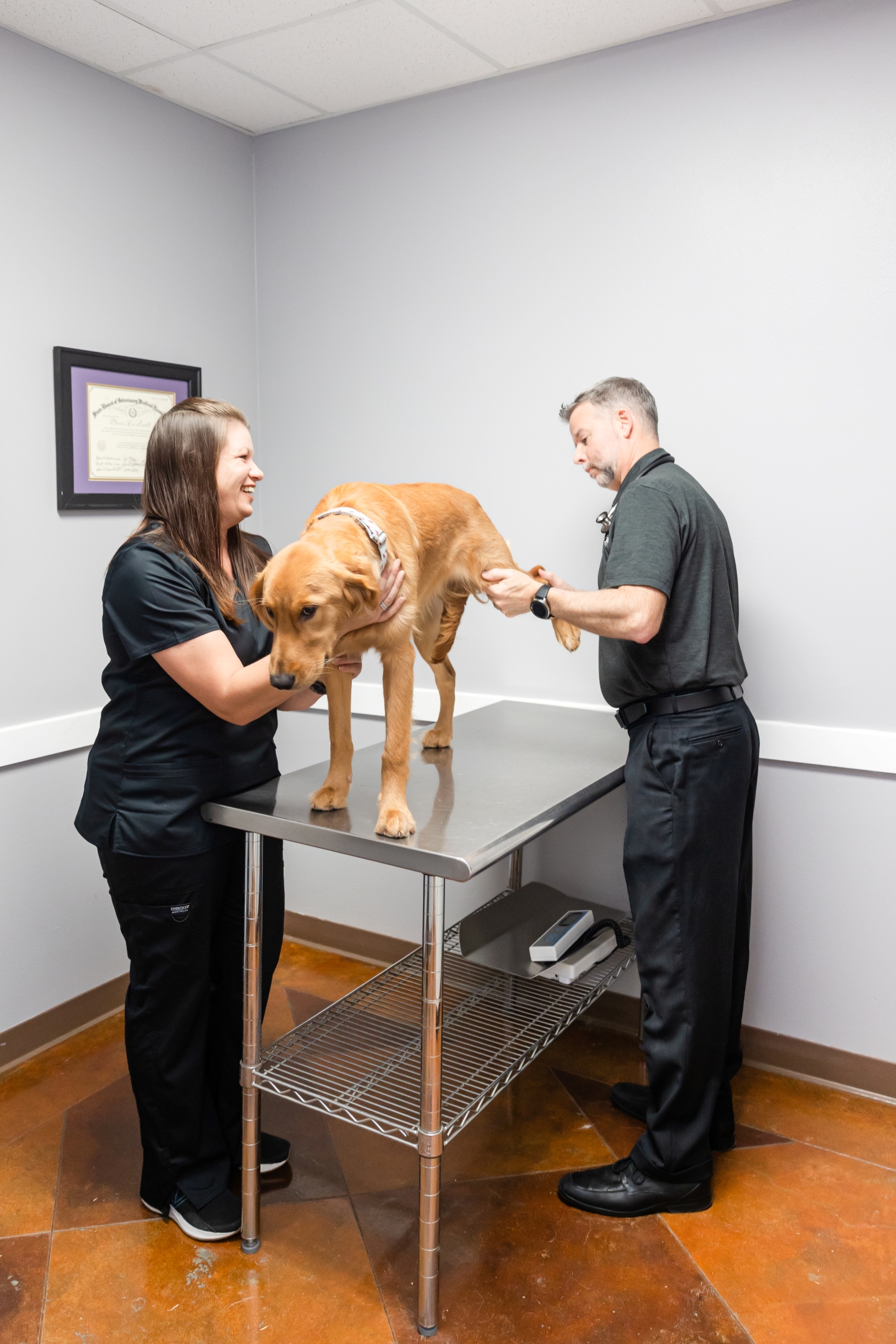
The exam itself is more than a courtesy check. It’s a systematic, thorough assessment that covers everything from heart and lungs to skin and joints. The medical team at Prairieville Animal Hospital uses their hands and their eyes with confidence, noting subtle cues that might otherwise be overlooked. A healthy pet is not a perpetual model of perfection; it is a living organism with strengths and vulnerabilities. Routine exams acknowledge that truth while guiding proactive care that can lengthen and improve quality of life.
What happens during a routine wellness visit
A wellness exam is designed to be comprehensive yet efficient. The protocol balances efficiency with depth, so clients experience a sense of momentum without feeling rushed. The appointment typically unfolds in stages. First comes the intake, a quick recap of current concerns and a check-in on any medications or supplements. Then the physical examination, which includes a careful auscultation of the heart and lungs, evaluation of the teeth and gums, and an assessment of joints and mobility. The skin gets a closer look, since many systemic conditions reveal themselves through dermatological signs. The abdomen is palpated methodically to detect organ enlargement, tenderness, or abnormalities that might require imaging or further testing.
Laboratory work is often part of a wellness visit, particularly for senior patients or those with risk factors. Basic panels, such as a complete blood count and a chemistry profile, offer a snapshot of internal function. Urinalysis adds another layer, revealing kidney health and urinary tract concerns that may not be obvious through external symptoms. The decision to run these tests is guided by the patient’s age, breed, lifestyle, and medical history. It is not a one-size-fits-all checkbox but a thoughtful step toward a clearer view of health.
Vaccination is a critical component of wellness, and Prairieville Animal Hospital treats it as a living, evolving plan rather than a fixed cadence. Immunity periods can vary by species, vaccine type, and individual circumstances. The team explains the rationale behind each vaccine, including how it protects your pet and what trade-offs might be involved. For some animals, the arrival of a new year might mean a routine booster. For others, recent travel, exposure, or changes in environment prompt a different schedule. The veterinary staff helps owners understand these nuances, translating medical language into practical recommendations compatible with family routines.
Dental health often gets overlooked in casual conversations about wellness. Yet the mouth is a gateway to overall health. Regular dental assessments during a wellness visit help identify tartar buildup, gingival recession, or tooth sensitivity that could signal broader issues. The Prairieville team emphasizes not only cleaning and polishing when necessary but also ongoing home care. Brushing, dental treats, and specific dietary choices can all contribute to a healthier mouth, which in turn supports heart and kidney function over time. It is not merely cosmetic; it is foundational to long-term well-being.
Weight management is another cornerstone of preventive care. Obesity complicates everything from joint health to insulin sensitivity. A wellness visit includes a frank, constructive conversation about weight. The goal is to reach or maintain a healthy body condition score through a combination of portion control, activity, and, when appropriate, a re-evaluation of treats and incentives. The team brings practical solutions to the table, from enrichment activities to breed- or age-specific exercise plans. They understand that real life is busy and that sustainable changes beat dramatic but unsustainable efforts.
Two essential lists that often accompany routine wellness visits
-
Immunization and preventive care choices
-
Distinguishing which vaccines are recommended based on species, age, and lifestyle
-
Understanding the timing of boosters and the rationale behind flexible scheduling

-
Recognizing when travel or exposure alters standard vaccination plans
-
Balancing convenience with the goal of lasting immunity
-
Keeping a written plan that you can reference during future visits
-
At-home strategies paired with clinic guidance
-
Selecting the right brushing routine and dental chews without overstressing the pet
-
Implementing a weight-management plan that fits family life and activity levels
-
Establishing a predictable daily schedule for meals, exercise, and enrichment
-
Monitoring subtle behavioral cues that might precede medical concerns
-
Scheduling follow-up checks to track progress and adjust as needed
Practical care across life stages
Puppies and kittens arrive with a cascade of responsibilities. The earliest wellness visits are about creating a trusting relationship with the veterinary team. That relationship matters because it sets the tone for future exams, vaccinations, and discussions about nutrition and behavior. Early vaccines lay a foundation for health, while parasite control strategies address a host of potential external threats. The clinicians at Prairieville Animal Hospital tailor vaccines to the animal’s risk profile and community prevalence. They explain not just what is being given, but why it matters, and they adjust plans if a pet’s environment evolves—from a new dog friend in the household to a switch from indoor to supervised outdoor time.
As pets mature into adulthood, the focus shifts toward a steady, sustainable wellness routine. A well-planned adult care program emphasizes regular screening tests that catch issues before symptoms appear. Heart health becomes a greater consideration as animals age, particularly in certain breeds with known predispositions. Kidney and liver function assays can flag problems early, enabling interventions that might slow progression. The veterinary team at Prairieville Animal Hospital brings a practical mindset to these concerns, balancing thoroughness with the realities of modern life. If a pet experiences a change in energy, appetite, or bathroom habits, those signs take on renewed significance during a routine check.
Senior pets bring a different set of challenges and opportunities. It is common for chronic conditions to emerge gradually over the years, and early detection remains the most powerful tool. The wellness plan for seniors often includes more frequent monitoring cycles and a closer look at mobility. Joint health becomes a central topic, with recommendations ranging from weight management to targeted supplements or targeted exercise programs. The aim is not to radically alter a pet’s life but to preserve quality of life for as long as possible. Prairieville Animal Hospital respects the balance between medical oversight and the pet’s comfort, always choosing approaches that minimize stress during visits.
The role of nutrition in preventive care
Food is not simply fuel. It is the vehicle for sustaining energy, supporting growth, and preserving organ function. A robust wellness program integrates diet as a constant variable that can influence health outcomes. In practice, this means a candid discussion about calorie intake, the quality of ingredients, and how to translate evolving needs into a practical feeding plan. The veterinarians at Prairieville Animal Hospital often counsel owners to consider life stage, activity level, and any medical concerns like allergies or diabetes. They emphasize real-world adjustments—smaller, more frequent meals for highly active cats, or portioned meals tied to daily exercise for multi-pet households.
Tailored nutrition advice is rarely one-size-fits-all. A dog with a history of skin allergies may benefit from a diet that reduces inflammatory triggers, while a senior cat might require a specially formulated balance of minerals to support kidney function. The clinic’s recommendations are grounded in current evidence but delivered in plain language. The goal is not to overwhelm but to empower. A practical plan might involve simple changes that stack up over months: gradually adjusting portions, tracking weight weekly, and using measurable milestones to decide when to adjust the plan again.
Preventive care and parasite control
Tick season and flea life cycles are not abstract concepts in a rural setting. They are a daily reality that affects comfort, health, and the overall wellbeing of a household. Prairieville Animal Hospital takes a pragmatic approach to parasite control, balancing efficacy with ease of use. The clinic discusses topical versus oral preventives, the relative convenience of monthly administration, and the importance of consistent use even during periods when a pet appears less exposed. The goal is continuity—no gaps that could allow parasites to gain a foothold.
Additionally, heartworm prevention remains a staple in many regions. The clinic outlines testing schedules in conjunction with preventive therapy, ensuring that owners are not caught off guard by a surprise positive result. In practice, that often means combining a preventive routine with an annual or biannual screening that gives the team a clear picture of how a pet is coping in the local ecosystem. The end result is a straightforward, predictable plan that protects health without adding unnecessary complexity to a busy household.
Dental health as a daily habit
Dental care does not belong solely to the walls of the clinic. The most durable gains come from consistent at-home routines. Prairieville Animal Hospital emphasizes both professional cleanings when indicated and ongoing care at home. The exam room might reveal early signs of dental disease, but the real work happens after the appointment. Owners are shown practical techniques for brushing, along with recommendations visit website for dental diets or treats that contribute to a healthier mouth. The emphasis is on sustainable habits, not one-off efforts that fade with time. A simple routine—brush 3 to 5 minutes, three times a week or more, ideally daily—can translate into fewer dental complications down the line, which in turn reduces the risk of systemic issues related to chronic oral infections.
Beyond brushing, the clinic discusses day-to-day choices that impact dental outcomes. For instance, a pet that frequently chews on hard objects or consumes a highly acidic diet may experience accelerated enamel wear. Adjustments to play toys or food textures can make a noticeable difference. The practical takeaway is to integrate dental health into regular care rather than treating it as a separate project.
Edge cases and the realities of veterinary preventive care
No two pets are exactly alike, and routine exams must reflect that truth. Some owners face obstacles that complicate preventive care, such as limited access to a car, a high-stress pet that dislikes visits, or a schedule that makes monthly routines challenging. The Prairieville team demonstrates flexibility in these scenarios. They can help design staggered appointment plans, collaborate with boarding or daycare facilities to maintain consistent routines, and offer guidance on desensitization techniques to reduce stress during visits. The aim is to remove barriers, not to penalize families for factors outside their control.
In addition, there are edge cases that test the boundaries of standard guidelines. For example, an indoor-only dog might still be exposed to parasites through occasional park visits or household pests. In such cases, veterinarians discuss the trade-offs of preventive strategies versus surveillance through testing. They help families decide which measures are essential and which can be scaled back without compromising health. The final decision always respects the pet’s comfort and the household’s practical constraints.
Making the most of every visit
A wellness exam is a collaborative effort. The veterinarian depends on the owner to provide accurate information about lifestyle, environment, and behavior. Owners, in turn, gain a clearer understanding of their pet’s needs and a practical plan for meeting them. The best outcomes arise when the dialogue continues between visits. Prairieville Animal Hospital often sets expectations for follow-ups—whether that means a call to review test results, a reminder about a vaccination due date, or a quick check-in after a change in diet or routine. The goal is to keep the conversation alive, not to let things drift.
Owners who engage actively with routine wellness plans frequently notice benefits that extend beyond the medical numbers. Pets that receive consistent care tend to be more attuned to their own bodies and daily rhythms. They may maintain a level of energy and mobility that allows them to participate fully in family life. The sense of security that comes from knowing a trusted veterinary team is watching over health can be a meaningful difference for households dealing with the unpredictability that comes with aging animals or chronic conditions.
Prairieville’s approach to continuity of care
A core strength of Prairieville Animal Hospital is continuity—building relationships that endure as a pet ages. Clients appreciate having a single point of contact who understands their pet’s medical history, daily routines, and the nuances of behavior. The clinic emphasizes documentation and clear communication. Every visit adds to a growing health record that helps clinicians spot trends and tailor interventions with increasing precision. The result is a care pathway that feels personalized rather than prescribed.
In practice, this continuity translates into more targeted recommendations. If a patient has a long-standing sensitivity around vaccination, the team works to identify the minimal effective approach that preserves health while minimizing stress. If a pet has a tendency toward weight gain, a plan that gradually adjusts portions and enhances activity can be monitored with precise progress notes. When families notice new symptoms, they know where to start and who to contact, which reduces anxiety and accelerates care.
A note on experience and the human element
Behind every wellness visit sits years of clinical experience and a commitment to humane, compassionate care. The Prairieville team knows that pets are valued family members and that owners deserve transparent explanations and practical options. They avoid jargon when possible, but they do not shy away from honest conversations about risks, benefits, and trade-offs. This blend of empathy and professional rigor helps clients feel confident in decisions that affect daily life and long-term health.
In real-world practice, the numbers matter, but not in isolation. A routine exam is only as meaningful as the actions that follow. The clinic’s recommendations are grounded in evidence and adapted to local realities. The community context—local pet populations, climate, and the prevalence of specific diseases—shapes how preventive care is implemented. Prairieville Animal Hospital maintains an approach that is both scientifically sound and unmistakably practical.
Practical takeaways for pet owners
- Begin preventive care early. Regular wellness visits in the first year establish a health baseline that makes later decisions easier. Early vaccinations, parasite control, and dental education set the stage for fewer surprises down the road.
- Keep a simple home communication log. Track appetite changes, energy levels, and any alterations in sleeping or activity. Bring notes to every visit; they help the veterinarian see patterns you might miss.
- Ask for a tailored plan. Vaccination schedules, testing considerations, and nutrition choices should reflect your pet’s age, breed, and environment. A bespoke plan is more effective than a generic outline.
- Prioritize consistency. Regular visits beat sporadic checkups. Even when your schedule is tight, a predictable rhythm reduces stress for your pet and makes it easier to monitor changes over time.
- Engage in at-home care with purpose. Whether it is brushing, dental routines, or guided enrichment activities, small daily commitments can yield big long-term benefits. Use the clinic’s guidance to choose tools and techniques that fit your household.
The ethical and practical edge of routine wellness
Preventive care is not about chasing perfect health. It is about reducing suffering and preserving autonomy for as long as possible. The veterinarians at Prairieville Animal Hospital understand that. They recognize that a pet’s sense of comfort and well-being is closely tied to the amount of life a family can share with them. By staying ahead of illness, addressing pain early, and supporting families with realistic guidance, they help create opportunities for more mutual experiences, more spontaneous play, and more affectionate, low-stress evenings at home.
The clinic’s work is also a reminder that wellness care is a partnership. It depends on the ongoing involvement of owners and the steady guidance of a trusted veterinary team. When both sides show up with curiosity and patience, preventive care becomes a practical practice rather than a theoretical ideal. The result is a healthier pet, a calmer household, and a veterinary experience that feels collaborative rather than transactional.
If you are evaluating options for a veterinary home to manage routine exams and overall wellness, consider what the relationship with the clinic will look like years from now. Will the team remember your pet’s history as a living, evolving story? Will they provide clear, honest guidance about what changes in life circumstances mean for health? Prairieville Animal Hospital offers that sense of continuity, paired with a grounded, evidence-based approach to preventive care. The difference is in the details—the steady cadence of visits, the easy-to-understand explanations, and the practical plan you can implement today.
Closing reflections on wellness as a daily practice
Wellness is more than a checklist. It is an ongoing conversation about what it means to keep a beloved animal feeling safe and vital. The routine exam is the beating heart of that conversation, tying together physical health, daily life, and the future. It creates a framework where concerns are addressed before they become emergencies and where small, consistent steps build a foundation for a long and satisfying life together.
Prairieville Animal Hospital’s integrated approach to wellness embodies a practical philosophy. It respects the realities of modern living while never compromising the core veterinary values of compassion, competence, and clear communication. The result is a care environment where pets thrive because their families feel informed, empowered, and supported. That is the essence of routine exams and wellness—and the reason they matter so deeply to both animals and the people who love them.